There a limited fish set which was sold out by the time I got here. I think it's a fish type that is caught in kamikochi area. The fried chicken set is delicious too...after that hiking it has to be good. Service was prompt and fast.
Overview
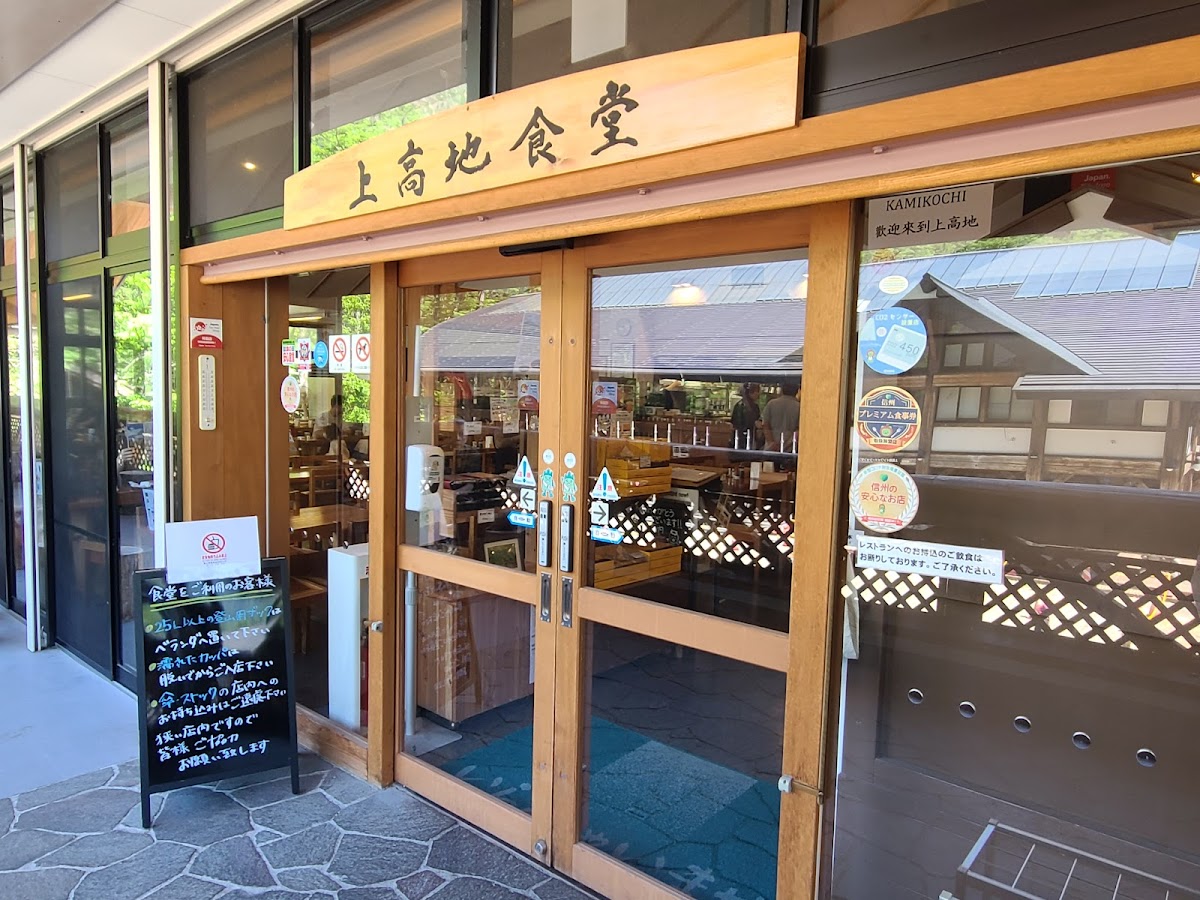
Tucked deep inside the Japanese Alps, Kamikochi Restaurant feels less like a typical dining spot and more like a warm refuge after a long walk through Kamikochi’s breathtaking valley. Located in Japan, 〒390-1516 Nagano, Matsumoto, Azumi, 上高地, this restaurant sits in one of the country’s most protected natural environments. After hiking along the Azusa River and crossing the iconic Kappa Bridge, I stopped in for lunch, expecting something simple. What I found instead was a surprisingly thoughtful menu that balances local tradition with comfort food classics.
The first thing that stands out is the setting. Surrounded by the Northern Japan Alps and crisp mountain air, the dining room offers wide windows that frame the scenery like living paintings. According to data from Japan’s Ministry of the Environment, Kamikochi attracts hundreds of thousands of visitors annually, especially between spring and autumn. With that kind of foot traffic, restaurants here must consistently deliver quality and efficiency. From my experience, the staff manages both with calm precision.
The menu highlights regional Nagano ingredients. Shinshu soba noodles are a must-try. Nagano Prefecture is known for its buckwheat production, and the texture here proves why. The soba I ordered had a firm bite and a clean, nutty flavor, served with a delicate dipping sauce made from bonito broth. Research from the Japan Soba Association notes that high-altitude water sources contribute to better noodle texture, and tasting these noodles made that claim feel absolutely believable. Alongside the soba, I tried grilled river fish, lightly salted and cooked to preserve its natural sweetness. Simple, yes, but expertly handled.
For those craving heartier options, the restaurant also serves Japanese curry rice and set meals with tempura, miso soup, and seasonal vegetables. One family at the next table ordered the curry after a morning trek up Mount Yake. They mentioned in their review later that it was exactly the energy boost they needed. That matches what nutrition experts often point out: balanced meals with carbohydrates and protein help replenish glycogen after extended physical activity. In a hiking destination like this, the menu clearly reflects practical understanding of travelers’ needs.
Service is efficient without feeling rushed. During peak lunchtime, especially in autumn foliage season, tables fill quickly. However, the staff maintains a steady flow. I noticed a well-organized system where guests are seated promptly, orders are taken within minutes, and dishes arrive fresh. This kind of operational consistency doesn’t happen by accident. It shows experience and management awareness of seasonal tourism patterns in Matsumoto’s Azumi area.
Cleanliness and transparency also build trust. Water is sourced locally, and ingredients are clearly listed, which is reassuring for visitors with dietary concerns. While English menus may not always be extensive, the staff does their best to assist international travelers. Still, it’s fair to acknowledge that during extremely busy hours, communication can be slightly limited due to volume. Planning a visit outside peak noon hours can make the experience even smoother.
What makes this place memorable isn’t flashy presentation or experimental cuisine. Instead, it’s the harmony between location, food quality, and atmosphere. Dining here feels connected to the landscape. The flavors are grounded, the portions satisfying, and the overall experience authentic to Nagano’s mountain culture. Reviews across travel platforms consistently highlight the same strengths: reliable meals, fair pricing considering the remote location, and unbeatable views.
In a destination where many visitors focus solely on the hiking trails and alpine scenery, this restaurant quietly plays an essential role. It fuels adventurers, welcomes families, and offers a moment of rest in one of Japan’s most scenic national parks. Whether you’re stopping in for soba after a riverside stroll or warming up with curry on a cool mountain afternoon, the experience feels genuine, rooted in place, and thoughtfully executed.
Good to know
Service options
✓ Dine-inAccessibility
✓ Wheelchair-accessible toilet ✓ Assistive hearing loop ✓ Wheelchair-accessible car park ✓ Wheelchair-accessible entrance ✓ Wheelchair-accessible seatingOfferings
✓ Alcohol ✓ Beer ✓ CoffeeDining options
✓ Breakfast ✓ Lunch ✓ Counter service ✓ DessertAmenities
✓ Smoke-free place ✓ Toilet ✓ Wi-Fi ✓ Wi-FiAtmosphere
✓ TrendingPayments
✓ Credit cards ✓ Debit cards ✓ PayPay ✓ Credit cardsChildren
✓ Good for kids ✓ High chairs ✓ Kids' menuPhotos
1 / 4
Location
Reviews
- No ratings yet 605 reviews
Food arrived in a minute after placing order. The staff were all friendy, and are patient. The limited selection menu was like fried chicken super charged - large piece of juicy (/oily) but super fragrant and crispy chicken. Love it! Green tea and water offered for free but you gotta self service. Price - slightly more expensive as kamikochi is still a highland resort afterall. Place to be for a decent meal.
Had the Vegetable Curry as I felt like having something meatless. It was an average, typical, Japanese-style curry, with vegetables like diced brinjal, tomatoes, and a few stalks of broccoli. The cozy setting and view are a nice touch to the atmosphere.
Average food which can’t compare to the food you will eat in the mountain huts as you hike further. But still not bad. The portion for fried chicken is a lot, might want to share if you are on diet.
It’s so good to have a lunch after a long mountain trekking trip to Mt. Yarigatake, while seeing a beautiful landscape of Hotaka mountains. Sanzoku-yaki set meal (fried chicken garlic soy sauce) Matsumoto Brewery Beer (Matsumoto Craft Beer) Hotaka Local Beer Alto
Had breakfast when we arrived from Tokyo. They were good. Went again for soba lunch. Unlimited supply of Kamikochi water and green tea and awesome view. A great place to take a break.
It’s a simple cafeteria with fast service and good food for reasonable price. We had nice curry tonkatsu and fried chicken here. Nothing fancy but tasty.